The Biggest Tech Trends in 2026 Every Developer Should Know
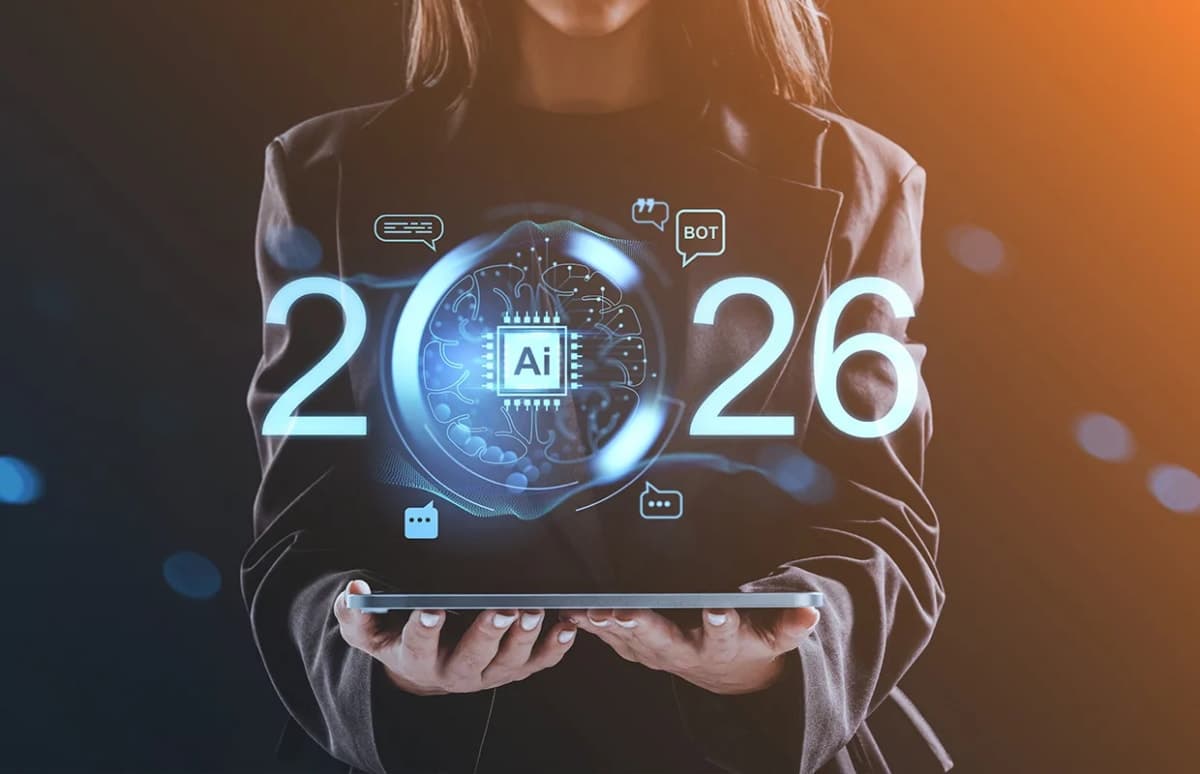
The Biggest Tech Trends in 2026 Every Developer Should Know
As we swiftly approach 2026, the tech landscape is transforming at an unprecedented pace. Developers must stay informed about the most pressing tech trends that are poised to redefine best practices, enhance user experiences, and drive innovation. In this article, we delve into the biggest tech trends in 2026 that every developer should know, providing insights and actionable information to foster a successful development career.
1. The Rise of Artificial Intelligence in Development
Artificial Intelligence (AI) continues to dominate discussions in the tech realm. As 2026 draws nearer, its integration into software development is expected to deepen and evolve.
1.1 AI-Powered Code Assistants
AI-powered tools like GitHub Copilot and OpenAI’s Codex have already begun to make waves in the developer community. These tools aid in writing, debugging, and suggesting code snippets, significantly speeding up the development process. By 2026, we anticipate even more sophisticated AI code assistants that will analyze codebases and learn from a developer’s unique style, enabling them to create optimized and efficient code more effectively than ever before.
Moreover, these AI assistants will likely evolve to support multi-language programming, thereby broadening accessibility for developers who work in various coding environments. Embracing such tools will be integral for developers who aspire to enhance their productivity and focus on more complex problem-solving rather than mundane coding tasks.
1.2 Ethical AI in Software Development
With the expanded use of AI comes the responsibility of ethical considerations in software development. In 2026, developers will face increasing scrutiny regarding how AI technologies are used. This shift emphasizes fairness, transparency, and accountability in AI models.
Developers should familiarize themselves with frameworks and standards for ethical AI, ensuring that the solutions they design don't exacerbate biases or discrimination. Knowledge of ethical AI practices will be critical not just for compliance but also for reputational integrity in an increasingly aware digital society.
2. The Evolution of 5G and Its Impact on Development
5G technology is revolutionizing connectivity and will continue to shape the way developers approach app design and infrastructure.
2.1 Enhancing App Performance
The rollout of 5G networks has already begun to enhance the performance of mobile applications, enabling faster download speeds and reduced buffer times. In 2026, developers must harness this capability to create more data-intensive and high-quality applications, such as augmented reality (AR) and virtual reality (VR) experiences.
With 5G facilitating seamless experiences, developers can expect to innovate applications that rely heavily on real-time data processing and graphics, transforming the landscape of mobile and web applications alike. Leveraging 5G will not only improve user satisfaction but can also open new revenue streams across industries.
2.2 IoT Integration and Expansion
The Internet of Things (IoT) is on the brink of a major expansion fueled by 5G technology. As devices become more interconnected, the demand for developers who can create IoT solutions will increase. In 2026, developers will require skills to design applications that can communicate effectively across networks and integrate with diverse IoT ecosystems.
This integration will present unique challenges related to scalability and user experience, driving the need for more robust development frameworks and tools that cater specifically to IoT applications. Understanding how to utilize 5G for IoT development will be essential for aligning with market demand.
3. Growth of Edge Computing
As cloud computing matured, edge computing emerged as a potent solution for data processing, particularly for time-sensitive applications.
3.1 Real-time Data Processing
Edge computing minimizes latency by processing data closer to where it is generated. By 2026, developers will need to understand how to build solutions that leverage edge computing effectively, allowing for real-time data processing. This shift will be especially critical for applications that require immediate feedback, such as autonomous vehicles and industrial automation systems.
Mastering edge computing will enable developers to build highly responsive applications while optimizing bandwidth and server load.
3.2 Reducing Latency Issues
In domains such as healthcare, finance, and gaming, latency can significantly impact user experience and operational efficiency. By shifting data processing to the edge, developers can minimize these latency issues, creating faster, more efficient applications. Consequently, understanding edge deployment and network infrastructure will be vital skills for developers looking to remain competitive.
4. The Popularity of Low-Code/No-Code Platforms
Low-code and no-code development platforms are revolutionizing software creation by enabling users to build applications with minimal coding expertise.
4.1 Democratizing Software Development
By 2026, the popularity of low-code/no-code platforms will democratize software development, making it accessible to non-developers. Business analysts and other professionals can create functional applications without extensive coding knowledge.
Developers must recognize how these platforms can complement their work by increasing efficiency and allowing them to focus on complex functionalities that require expert coding. Understanding how to integrate with and build upon these platforms will be crucial for maximizing productivity.
4.2 Use Cases in Enterprises
Enterprises are increasingly adopting low-code/no-code platforms to streamline workflows and accelerate project timelines. Developers should be ready to incorporate these platforms into their workflows, not merely as a replacement for traditional coding but as a means to enhance operational agility and innovate rapidly.
Familiarity with various low-code/no-code offerings and their specific use cases within a business context will position developers as valuable assets in modern organizations.
5. Cybersecurity Innovations and Challenges
As technology advances, so too do the threats posed to data security. By 2026, developers will be at the forefront of addressing these challenges.
5.1 New Security Protocols
With the rise of cyberattacks, new security protocols and innovations will be essential in safeguarding applications. Developers need to proactively implement best practices in security during the design phase of software development. This proactive approach includes understanding secure coding practices, regular security updates, and leveraging advanced encryption methods.
Staying informed about emerging security standards will enable developers to build resilient systems that protect user data and mitigate vulnerabilities.
5.2 Importance of Data Privacy
Data privacy regulations, such as GDPR and CCPA, will continue to evolve, shaping how developers handle user information. By 2026, developers will need to adopt privacy-by-design principles to ensure compliance and build trust with users.
This means being knowledgeable about local and global regulations, as well as implementing robust data handling and anonymization processes throughout the software lifecycle.
6. The Continued Importance of Open Source Technologies
Open source technologies remain a fundamental aspect of software development, and their relevance will grow in 2026.
6.1 Community-Driven Development
Open source projects enable collaboration and innovation, with developers worldwide contributing to shared goals. By harnessing community-driven development models, developers can not only improve their coding skills but also network with like-minded professionals.
In 2026, understanding how to contribute to and leverage open source projects will be vital for developers looking to enhance their portfolio while remaining engaged within the developer community.
6.2 Business Models Around Open Source
Open source technologies also present unique business opportunities. By developing commercial offerings around open source solutions, developers can create innovative products that provide value while staying aligned with community standards.
Understanding monetization strategies for open source projects will be an essential skill for developers seeking to thrive in a competitive job market.
7. The Shift Towards Remote Development Teams
The COVID-19 pandemic accelerated the shift towards remote work, and this trend is expected to continue well into 2026.
7.1 Tools Supporting Remote Collaboration
As remote development teams become the norm, developers will need to be proficient with tools that facilitate collaboration. Platforms such as GitHub, Slack, and Zoom have become staples, but by 2026, new tools are expected to emerge that enhance team dynamics and project management.
Familiarity with these modern tools and how to effectively utilize them for teamwork will be crucial for maintaining productivity and fostering creativity in a remote environment.
7.2 Managing Distributed Teams Effectively
One of the key challenges of remote teamwork is effectively managing diverse, distributed teams. Developers who possess soft skills in leadership, communication, and project management will be at a significant advantage. By understanding how to build rapport, motivate teams, and manage deadlines across various time zones, developers can ensure that project goals are met and that team dynamics remain strong.
Conclusion
As we approach 2026, developers must adapt to the rapidly changing tech landscape marked by innovations in AI, 5G, edge computing, low-code platforms, cybersecurity, open-source technologies, and remote teamwork. Understanding and embracing these trends will not only be crucial for personal development but also for driving company success in an increasingly competitive environment.
Remaining informed and agile in the face of these changes will empower developers to contribute meaningfully and utilize their skills to meet the demands of the future. Embrace these tech trends today, and position yourself at the forefront of tomorrow's development landscape.
Frequently Asked Questions
Related Articles
 Tech & Innovation Trends
Web 4.0 Explained: What Comes After Web3?
Discover Web 4.0: the symbiotic web after Web3. Explore AI-human fusion, quantum decentralization, and phygital experiences that redefine the internet. From Neuralink to smart cities—what's next?
 Tech & Innovation Trends
Multimodal AI: What It Is and Why It Matters in 2026
Explore the significance of Multimodal AI in 2026, its applications, benefits, and future implications for technology and innovation.
 Tech & Innovation Trends
Cybersecurity for Developers: Best Practices in an AI World
Explore essential cybersecurity best practices for developers in the age of AI to safeguard your applications and sensitive data.
Comments (0)
No comments yet. Be the first!