How Generative AI Will Transform Software Development by 2026
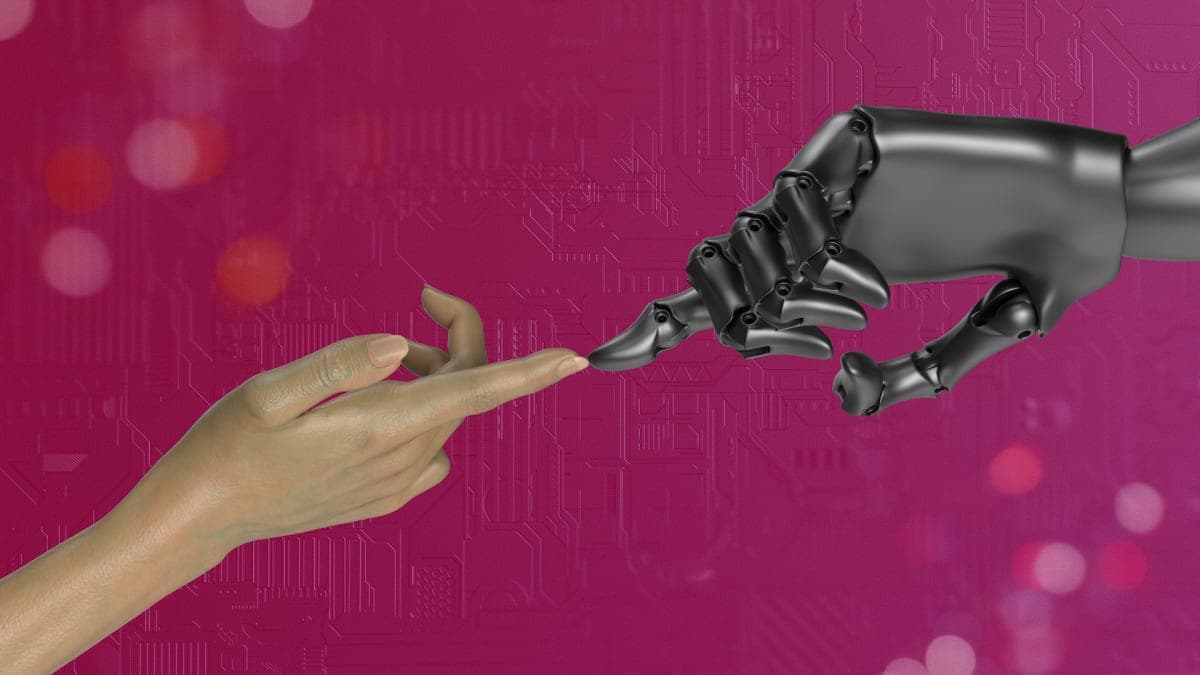
How Generative AI Will Transform Software Development by 2026
Meta Description: Explore how generative AI will revolutionize software development in 2026, enhancing processes, collaboration, and innovation in the tech industry.
Introduction to Generative AI and Software Development
As we stand on the brink of a new technological era, generative AI is poised to significantly transform the landscape of software development by 2026. This revolutionary technology not only reshapes how software is created but also enhances the methodologies and tools used by developers. The merging of AI capabilities with software creation heralds a future where efficiency, creativity, and collaboration are paramount.
What is Generative AI?
Generative AI refers to sophisticated algorithms designed to create new content from learned patterns of existing data. This content can take various forms, including text, images, and—most relevant to our discussion—computer code. Unlike traditional AI that merely processes data to provide responses or analyses, generative AI actively generates new outputs, opening a new frontier in automation and creativity.
Current Landscape of Software Development
Today, software development involves a myriad of processes, including coding, testing, and project management. Developers often juggle multiple tools and frameworks to deliver a product that meets user needs. However, traditional approaches may lead to bottlenecks in efficiency and creativity, particularly when it comes to agile methodologies that rely on rapid iteration and feedback. The integration of generative AI into software development offers an exciting avenue to address these challenges, making processes smarter and more dynamic.
The Evolution of Generative AI
Recent Advances in AI Technologies
In recent years, generative AI technologies have seen tremendous advancements, including the introduction of models capable of understanding and generating programming languages. Techniques like reinforcement learning, neural networks, and natural language processing (NLP) have accelerated the capability of generative AI to support tasks traditionally conducted by human developers. OpenAI's Codex and Google's BERT are early examples of this evolution, showcasing the potential of AI in programming scenarios.
Historical Trends in Software Development
Software development has undergone a sea change since its inception, from waterfall methodologies to agile frameworks. Rapid prototyping, continuous integration, and DevOps practices now dominate the field. In light of these historical trends, the question arises: how can generative AI build upon this foundation? The answer lies in its ability to automate routine development tasks, enhance collaboration, and improve the overall quality of software being produced.
Impact of Generative AI on Software Development Processes
Automation of Coding and Debugging
One of the most profound impacts of generative AI on software development will be the automation of coding and debugging. As generative AI systems learn from vast datasets of code, they can suggest syntax, auto-complete functions, and even generate entire code blocks with minimal human intervention. This not only speeds up the coding process but also reduces the number of bugs introduced, as AI can identify and suggest corrections in real-time.
Enhanced Collaboration and Communication Tools
Generative AI also promises to revolutionize how teams collaborate. Imagine AI-powered tools that can analyze chat logs, emails, and project documentation to provide insights and keep developers aligned with project goals. Furthermore, such tools could facilitate better communication between cross-functional teams, improving project outcomes and fostering a more cohesive working environment.
Generative AI and Software Quality Assurance
AI-Driven Testing Frameworks
Quality assurance (QA) stands to benefit enormously from generative AI as well. Traditional testing processes can be time-consuming and often inadequate in identifying edge cases. AI-driven testing frameworks can automate test case generation based on user stories and system requirements, allowing teams to identify flaws more quickly and accurately. This proactive approach can lead to higher application stability and user satisfaction.
Predictive Analytics in Quality Management
In addition to testing automation, predictive analytics powered by generative AI can provide invaluable insights into software quality. By examining historical data, these models can predict potential future defects, helping teams to proactively address issues before they escalate. This type of foresight empowers developers, leading to a more robust product and streamlined development cycles.
The Role of Generative AI in Agile Development
Fostering Rapid Prototyping and Iteration
Agile development focuses on iterative progress through shorter development cycles. Generative AI can significantly enhance this approach by enabling rapid prototyping. Developers will be able to generate mockups and functional prototypes at an unprecedented pace, allowing for quicker feedback cycles and refinements. This ability to iterate rapidly encourages innovation and fosters a culture of experimentation within development teams.
Integrating AI into Scrum and Kanban Frameworks
Integrating generative AI into existing frameworks like Scrum and Kanban can enhance workflow management. AI can help optimize task allocation, predict bottlenecks, and even provide reminders for important deadlines or milestones. This level of automation not only simplifies the project management aspect of software development but allows human developers to focus on more strategic, high-value tasks.
Ethical Considerations and Challenges
Bias in AI Algorithms
While the promise of generative AI is immense, it also raises critical ethical concerns. One of the significant challenges lies in the potential for bias in AI algorithms. If the training data for these models contain biases, the outputs could inadvertently perpetuate these biases in the generated code. Ensuring fairness and transparency in AI systems will be crucial as we move toward widespread adoption in software development.
Job Displacement Concerns
Another pressing concern revolves around the impact of automation on job displacement. As generative AI continues to automate coding, debugging, and testing processes, some fear it could reduce the demand for human developers. However, it's essential to view AI as a tool that augments human capabilities rather than replaces them. In many cases, it will free up developers from mundane tasks, empowering them to tackle more complex, creative challenges.
Future Outlook: Generative AI in 2026
Predictions for Upcoming Innovations
By 2026, the integration of generative AI in software development will extend beyond mere coding support. We can anticipate innovations in areas like AI-generated software architecture, intelligent code refactoring, and even real-time adaptive learning systems that modify applications based on user behavior. The future holds a significant potential for generative AI to bridge gaps in both creativity and technical proficiency.
The Symbiosis of AI and Human Developers
The future of software development will likely see a symbiotic relationship between AI and human developers. Generative AI will not only enhance productivity but also support developers in making informed decisions based on real-time data and insights. As teams embrace AI-driven tools, the focus will shift from mundane task completion to creative problem-solving and innovative thinking.
Conclusion: Embracing the Change
As generative AI continues to evolve, it will undoubtedly reshape software development by 2026. Developers and organizations that embrace these changes will be better positioned to enhance their processes, improve quality, and foster collaboration. It’s crucial to prepare for this transformation by investing in continuous learning and adapting to new technologies. By embracing generative AI, the tech industry is not only poised for a revolution in software development but also preparing to tackle the challenges of tomorrow through innovative, efficient, and ethical practices.
In this rapidly progressing landscape, staying informed and adaptable will be key for professionals and organizations alike. The journey toward integrating generative AI in software development is just beginning, but the potential it holds is immense, and those who embrace it will lead the way into a new era of technology.
Frequently Asked Questions
Related Articles
 AI & Future Tech
Prompt Engineering Jobs: Roles, Salaries, and How to Get Hired
Discover the top prompt‑engineering jobs, realistic salary ranges, required skills, and a step‑by‑step roadmap to land high‑paying AI roles as a prompt engineer or generative‑AI developer.
 AI & Future Tech
Top AI Tools for Developers in 2026: Enhance Your Coding Experience
Discover the best AI tools for developers in 2026 that optimize coding and automate tasks for a better software development experience.
 AI & Future Tech
What is ‘Vibe Coding’? A Practical Introduction for Developers
Discover ‘Vibe Coding’: an innovative approach transforming how developers perceive and interact with coding. Explore its principles and benefits!
Comments (0)
No comments yet. Be the first!