AI for Enterprise: Transforming Development Workflows in Modern Companies
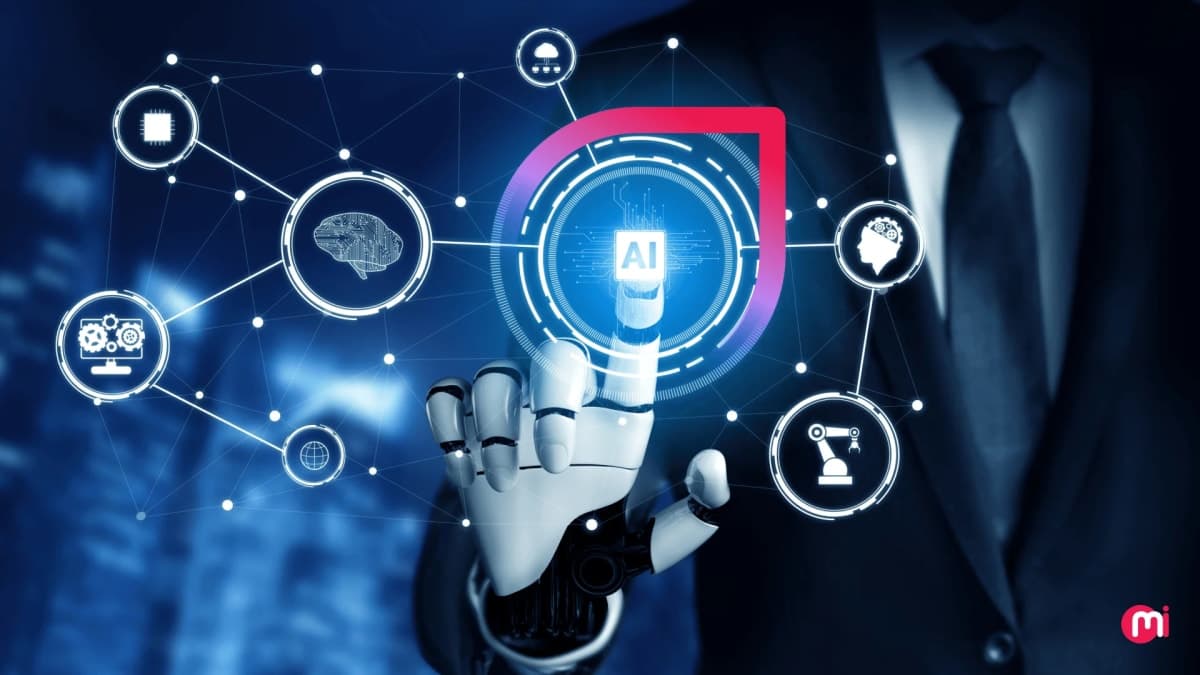
AI for Enterprise: Transforming Development Workflows in Modern Companies
Meta Description: Discover how enterprises leverage AI to enhance development workflows, improve efficiency, and drive innovation in tech and beyond.
Introduction to AI in Enterprise Development
The Growing Importance of AI in Business
Artificial Intelligence (AI) has rapidly evolved from niche applications to a fundamental pillar of modern business strategy. Today, enterprises are increasingly recognizing the potential of AI to revolutionize their operations, drive efficiency, and foster innovation. With industries becoming more competitive, leveraging AI is not just an advantage but a necessity. Companies that harness AI technologies can automate repetitive tasks, enhance decision-making processes, and make predictive analyses that significantly elevate their productivity.
As the digital landscape transforms, the importance of AI in business cannot be overstated. Organizations are finding smarter ways to handle complex problems and are turning towards AI to keep pace with customer demands and market changes. From finance to healthcare, AI has emerged as a transformative force.
Overview of Development Workflows
Development workflows in enterprises encompass the various stages of creating, testing, and deploying applications. These workflows include systematic practices that ensure product quality and speed. Traditionally, software development has involved a lot of manual effort, often resulting in lengthy timelines, resource waste, and high costs. Implementing AI into these workflows provides opportunities for enhanced automation, allowing teams to focus on innovation rather than mere execution.
With AI for enterprise, organizations can streamline their development processes, leading to higher quality outputs and faster time-to-market. Whether it be software development, application testing, or project management, AI applications are making significant strides in enhancing workflow efficiency.
Key Applications of AI in Development Workflows
Automated Code Generation and Review
One of the most impactful applications of AI in development workflows is the automation of code generation and review processes. Advanced AI tools can analyze existing codebases, understand coding standards, and generate new code with immense accuracy. This capability not only accelerates the development cycle but also reduces the likelihood of human error.
Additionally, AI-driven code review systems can assess code quality in real-time, providing immediate feedback and recommendations. This functionality assists developers in adhering to coding standards and best practices, fostering a culture of continuous improvement within teams.
Predictive Analytics for Project Management
Predictive analytics powered by AI is transforming project management across industries. By analyzing historical data and identifying patterns, AI tools can forecast project timelines, budgetary needs, and resource allocation with remarkable precision.
For instance, machine learning algorithms can assess risks and suggest mitigation strategies based on past projects' data. This foresight allows project managers to make informed decisions, optimize resource utilization, and enhance project outcomes.
AI-Driven Testing and Quality Assurance
Quality assurance (QA) is an essential component of software development, and AI-enhanced testing tools are redefining this space. Automated testing using AI algorithms can execute a wide range of tests faster and with more accuracy than traditional methods. This automation not only minimizes human errors but can also ensure extensive test coverage, including edge cases often neglected in manual testing.
Furthermore, AI-driven test management tools can provide insights into test results and even predict areas likely to fail, enabling teams to address issues proactively rather than reactively.
Benefits of Integrating AI into Development Processes
Increased Efficiency and Productivity
AI's ability to automate mundane tasks leads to significant gains in efficiency and productivity. By enabling developers to focus on strategic initiatives instead of performing repetitive tasks, AI can catalyze innovation and product development. Teams can deliver projects faster and improve turnaround times, which is vital in a competitive market landscape.
Enhanced Collaboration and Communication
In today's remote work environment, effective collaboration is more critical than ever. AI can streamline communication channels and manage tasks in such a way that everyone on the team remains informed about progress and challenges. By utilizing AI tools like chatbots, employees can receive instant updates, boosting engagement and minimizing disruptions.
Improved Decision-Making Capabilities
AI doesn't just automate processes; it provides valuable insights that enhance decision-making capabilities. Through advanced data analysis, AI can pinpoint trends and anomalies that would be difficult for humans to detect. This capability allows companies to make data-driven decisions that lead to more favorable outcomes.
Challenges and Considerations for Enterprises
Data Privacy and Security Concerns
With the adoption of AI, enterprises must navigate the complexities of data privacy and security. AI systems often require vast amounts of sensitive data to function effectively, raising concerns about data breaches and compliance with regulations such as GDPR. Businesses need to establish robust security protocols to protect valuable information and maintain customer trust.
Talent Shortages and Skill Gaps
Integrating AI into existing workflows requires specialized knowledge that may not be readily available within existing teams. There is a growing talent shortage in AI and data science disciplines, making it challenging for companies to find skilled professionals. Upskilling current employees or investing in training programs may be necessary to fill these gaps.
Integration with Existing Tools and Systems
Another challenge lies in integrating AI solutions with legacy systems. Many enterprises operate with outdated infrastructure that may not easily accommodate modern AI technologies. Ensuring that AI tools are compatible with existing systems is essential for a seamless transition.
Case Studies: Successful Implementation of AI in Enterprises
Example Company 1: AI in Software Development
A leading tech company recently integrated AI into its software development lifecycle, introducing AI tools for code generation and review. As a result, the company reported a 30% reduction in coding errors, leading to quicker deployment times and a significant increase in customer satisfaction. The development team could focus on creative problem-solving instead of code debugging, ultimately enhancing innovation.
Example Company 2: AI for Project Management
A large construction firm employed AI predictive analytics to enhance its project management capabilities. By leveraging historical data, the firm could forecast completion times and budget requirements accurately. This shift allowed project managers to allocate resources efficiently and resulted in a 20% increase in project profitability within the first year.
Future Trends in AI and Development Workflows
The Rise of No-Code/Low-Code Platforms
As AI technologies mature, no-code and low-code platforms are gaining traction. These platforms enable individuals without extensive programming skills to create applications efficiently, broadening access to software development. AI integration within these platforms further accelerates app creation, democratizing technology and empowering enterprise innovation.
AI-Powered DevOps Practices
The integration of AI into DevOps practices is another emerging trend. AI-driven tools can streamline CI/CD (Continuous Integration/Continuous Deployment) processes, offering automatic code deployment based on real-time analysis. This integration fosters a culture of agility and faster turnaround times, enhancing software release efficiency.
Integrating AI with Emerging Technologies
In the not-so-distant future, AI is expected to integrate seamlessly with other emerging technologies like blockchain and IoT (Internet of Things). This convergence will enhance automation and data-sharing capabilities while enhancing trust and security, fostering innovative solutions and services across sectors.
Conclusion: The Future of AI in Enterprise Development
Summarizing the Key Takeaways
The impact of AI on enterprise development workflows cannot be overstated. From automating mundane tasks to enhancing predictive analytics, AI is driving transformation across various sectors. While challenges remain, such as talent shortages and data privacy concerns, the benefits of integrating AI into development processes far outweigh these hurdles.
Encouraging Adoption and Innovation
As enterprises begin to recognize the potential of AI, those that embrace early adoption will likely gain a competitive edge. Organizations should prioritize cultivating a culture of innovation and continuously explore new AI solutions that can further enhance their development workflows. The future of AI in enterprise development is bright, and those willing to adapt will undoubtedly reap the rewards of this technological evolution.
Frequently Asked Questions
Related Articles
 Tech & Innovation Trends
Web 4.0 Explained: What Comes After Web3?
Discover Web 4.0: the symbiotic web after Web3. Explore AI-human fusion, quantum decentralization, and phygital experiences that redefine the internet. From Neuralink to smart cities—what's next?
 Tech & Innovation Trends
Multimodal AI: What It Is and Why It Matters in 2026
Explore the significance of Multimodal AI in 2026, its applications, benefits, and future implications for technology and innovation.
 Tech & Innovation Trends
Cybersecurity for Developers: Best Practices in an AI World
Explore essential cybersecurity best practices for developers in the age of AI to safeguard your applications and sensitive data.
Comments (0)
No comments yet. Be the first!